






Boxing’s banned substances include anabolic agents, stimulants, diuretics, masking agents, and peptide hormones. These can seriously harm your health and end your career if detected. You’ll want to scrutinize every supplement label, checking ingredients against WADA’s prohibited list.
Avoid proprietary blends with vague ingredient listings, and always choose third-party certified products. Consulting a sports nutritionist adds another layer of protection. There’s much more you should know to keep yourself fully protected.
The Most Common Banned Substances in Boxing
When it comes to boxing, the most common banned substances fall into several distinct categories: anabolic agents, stimulants, diuretics, masking agents, and peptide hormones. Understanding these banned substances in boxing helps you stay compliant and protect your career.
Performance-enhancing drugs (PEDs) like anabolic steroids artificially boost muscle growth and strength, giving unfair advantages while seriously harming your health. Stimulants increase alertness and aggression but carry severe cardiovascular risks.
Diuretics, often misused for rapid weight cutting, can mask other prohibited substances during testing. Peptide hormones like EPO manipulate your body’s natural processes, creating dangerous physiological imbalances.
You don’t need prohibited compounds to compete effectively. Safe supplementation alternatives, including creatine, protein, and approved vitamins, support performance without risking sanctions, health complications, or permanent damage to your athletic reputation.
Why Boxers Unknowingly Use Banned Substances
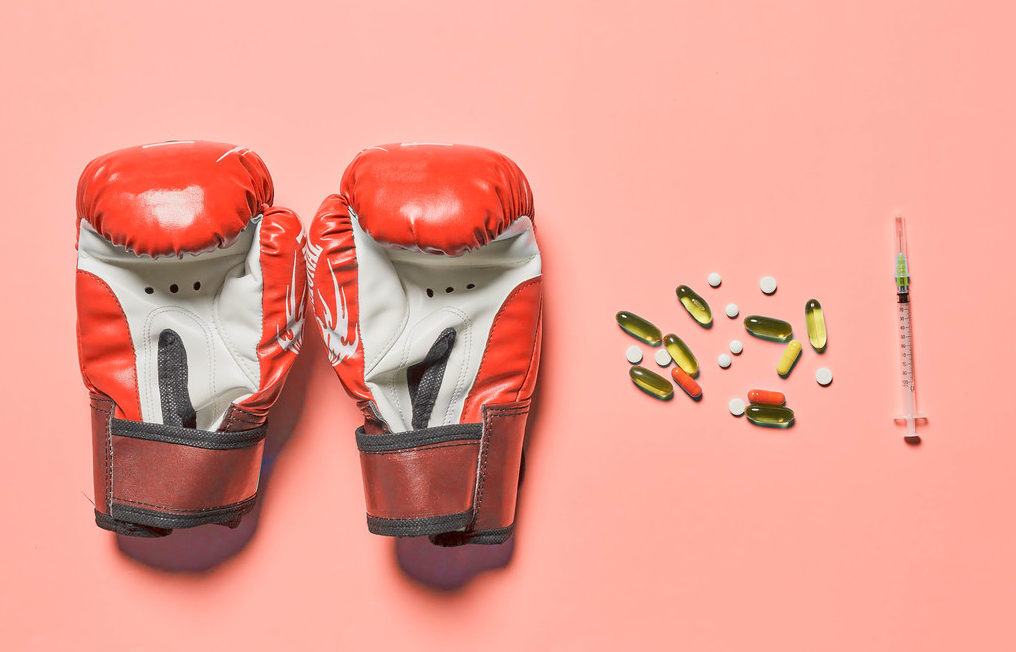
While knowing which substances are banned is important, understanding how violations happen unintentionally is just as critical for protecting your career. Many boxers unknowingly consume performance-enhancing drugs through contaminated supplements, mislabeled products, or poorly researched medications. Some assume a product is safe simply because it’s widely available or marketed toward athletes.
Masking agents present another hidden danger. Multi-ingredient formulas hide them without clear disclosure. Ignoring the health risks of banned substances compounds the problem, since uninformed decisions can damage both your body and your reputation.
Adopting safe practices to avoid accidental doping starts with verifying every supplement you use. Prioritizing education and compliance strategies keeps you competing confidently and ethically.

Hidden Ingredients in Supplements That Cause Positive Tests
Supplements that appear legitimate can still trigger a positive test if they contain hidden or undisclosed ingredients. Many facilities manufacture unregulated supplements where cross-contamination with performance-enhancing drugs is common.
Some products even include masking agents designed to conceal prohibited compounds, making detection harder during testing. You can’t always trust a label, since manufacturers aren’t required to disclose every ingredient. These hidden substances frequently cause unintentional doping violations, damaging careers despite genuine ignorance.
That’s why education and compliance strategies are critical. You need to verify every supplement through third-party certification programs like NSF or Informed Sport before use. Always consult a sports nutritionist or physician before adding anything new to your regimen. Vigilance isn’t optional; it’s your best protection against an unexpected positive test.

How to Read Supplement Labels Like a Pro
Reading a supplement label isn’t just about checking calories or protein content. It’s your first line of defense against an accidental doping violation. When reading labels, look beyond marketing claims and scan every listed ingredient against WADA’s current prohibited list.
Performance-enhancing drugs often hide under unfamiliar chemical names, so don’t assume a term you don’t recognize is harmless.
Unregulated supplements frequently carry vague proprietary blends that won’t disclose exact compounds. Avoid them entirely. Safe practices include cross-referencing products with third-party certification programs like NSF Certified for Sport or Informed Sport, which verify compliance before you consume anything.
You should also check manufacturing disclaimers about shared equipment, since cross-contamination can trigger drug testing protocols flagging positive results. When in doubt, consult a sports dietitian before adding anything new to your regimen.
What to Do If You Test Positive for a Banned Substance
Testing positive for a banned substance doesn’t automatically mean your career is over, but how you respond in the first 48 hours matters enormously. Immediately contact a sports attorney experienced in doping violations and consequences. Don’t speak publicly or admit fault before consulting legal counsel.
Request your B-sample analysis under WADA regulations. It’s your right. Gather documentation of every supplement, medication, and food consumed recently. It supports your case if performance-enhancing drugs entered your system unintentionally.
Demonstrate athletic compliance and ethics by cooperating fully with investigators. Transparency signals integrity and can influence sanction severity. Review your safe practices to avoid accidental doping in the future, including switching to third-party certified supplements. How you handle this moment defines your reputation far beyond any single test result.