






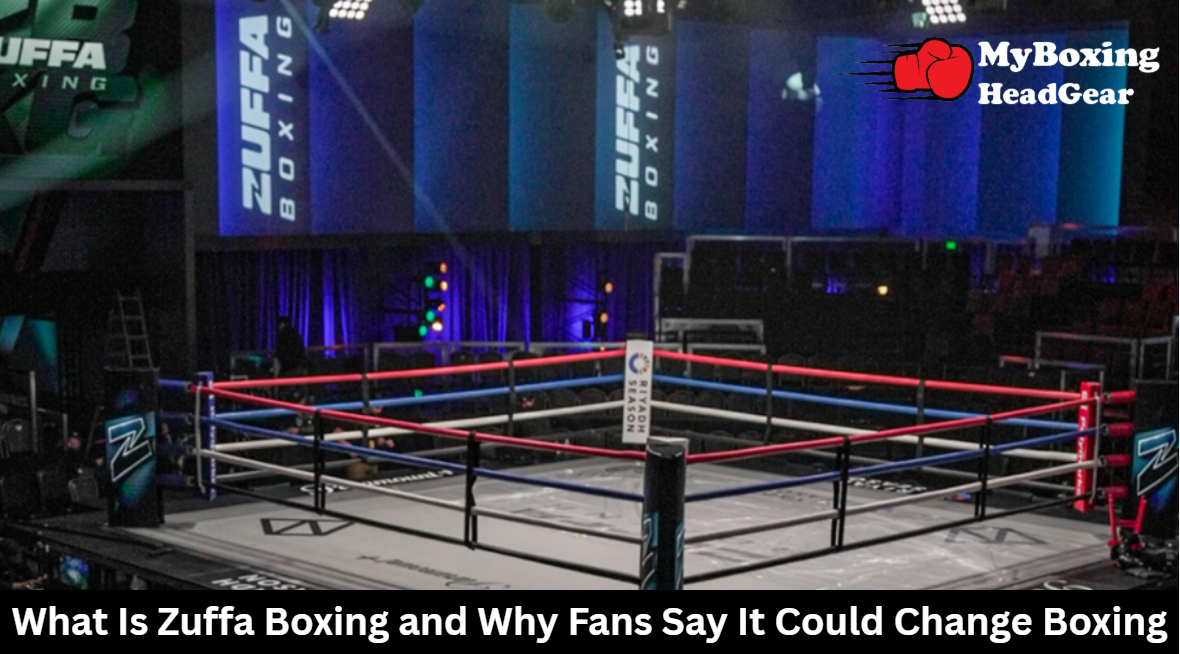
Zuffa Boxing is a joint venture between TKO Group Holdings and Saudi Arabia’s Sela Sport, announced in June 2025 and led by Dana White and Turki Alalshikh. It focuses on a centralized model similar to the UFC’s, controlling fighter contracts, matchmaking, and rankings through The Ring Magazine.
You’ll get around 12 events per year through a $100 million Paramount deal. It fixes boxing’s biggest problems, and there’s a lot more to unpack.
What Is Zuffa Boxing
Zuffa Boxing is a joint venture between TKO Group Holdings and Saudi Arabia’s Sela Sport, announced in June 2025 and headed by Dana White and Turki Alalshikh. This boxing promotion applies the same centralized model that made the UFC dominant in MMA.
Instead of relying on multiple competing promoters, Zuffa controls fighter contracts and negotiations, matchmaking, rankings, and its own world titles through The Ring Magazine.
What makes this promotional innovation significant is how it consolidates power under one roof. You’re looking at a promotion backed by serious infrastructure, a $100 million annual media deal with Paramount, and plans for roughly 12 events per year.
Dana White’s involvement signals that Zuffa isn’t experimenting. It’s building something designed to reshape how boxing operates at the highest level.

The Boxing Problems Zuffa Is Trying to Fix
Boxing has long suffered from a fragmented structure that prevents the sport’s best fighters from consistently meeting each other. Multiple sanctioning bodies, competing promoters, and conflicting television deals have made professional boxing promotion chaotic for decades.
The boxing business model has historically prioritized promoter interests over fighter opportunities, leaving fans frustrated by avoided matchups and manufactured rankings.
Zuffa’s fight promotion business strategies aim to cut through that dysfunction. By controlling fighter contracts, rankings through The Ring Magazine, and its own titles, Zuffa can force the meaningful matchups that boxing rarely delivers. Their competition management approach mirrors what UFC built in MMA, one centralized authority deciding who fights whom.
Whether you love or hate that model, it directly addresses boxing’s biggest structural failure: consistently keeping the best fighters apart.
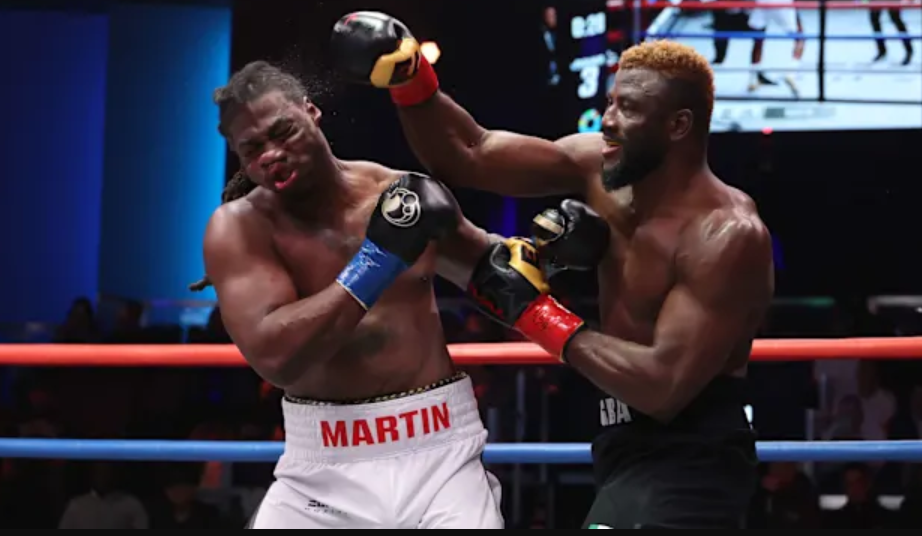
How Zuffa Boxing Compares to Traditional Promotions
Traditional boxing promotions like Matchroom, Top Rank, and Golden Boy operate independently, each signing their own fighters, negotiating separate television deals, and rarely cooperating. That fragmentation drives promotional rivalry in boxing, keeping top fighters apart and frustrating fans who want the biggest matchups.
Zuffa Boxing flips that model entirely. Instead of competing promoters pulling talent in different directions, you get a single centralized combat sports promotion controlling fighter signings, fight card organization, and media rights under one roof. It mirrors the UFC’s structure, where one entity owns the ecosystem.
With a $100 million annual media deal and a clear promoter strategy built around matchmaking rather than brand protection, Zuffa Boxing offers something traditional promotions rarely deliver: the best fighters actually fighting each other.

The Fighters Zuffa Boxing Needs to Sign to Succeed
For a centralized promotion to work, it needs the names that casual fans actually recognize. Zuffa Boxing’s current fighters signed to Zuffa Boxing roster, such as Callum Walsh, Jai Opetaia, and Conor Benn, are solid, but they’re not household names yet.
To fully validate the UFC promotional model in boxing, Zuffa needs unified champions and pound-for-pound stars who anchor event marketing and drive pay-per-view numbers. Think Canelo Álvarez, Terence Crawford, or Oleksandr Usyk. They are the fighters whose presence alone shifts the boxing competition structure in your mind.
Without elite-level signings, combat sports industry trends suggest the promotion stays a promising experiment rather than a true disruptor. You need marquee talent to pull casual viewers, and right now, that’s the clearest gap Zuffa Boxing must close.
Why Zuffa Boxing Could Save the Sport
Despite its flaws, boxing has always had the raw material to be the world’s most compelling combat sport. Zuffa Boxing might finally be the structure that lets it deliver on that promise. You’ve watched the sport suffer through mismatched professional fight events, title belt confusion, and fighters ducking real competition for years.
Zuffa’s centralized model forces the best to fight the best. A $100 million annual broadcast rights deal with Paramount finally guarantees consistent exposure for the boxing event. The Ring Magazine rankings add credibility to a title system that actually means something.
You’re looking at a promotion that could eliminate the fragmented mess boxing has tolerated for decades. Replace it with accountability, structure, and fights fans genuinely want to see.