




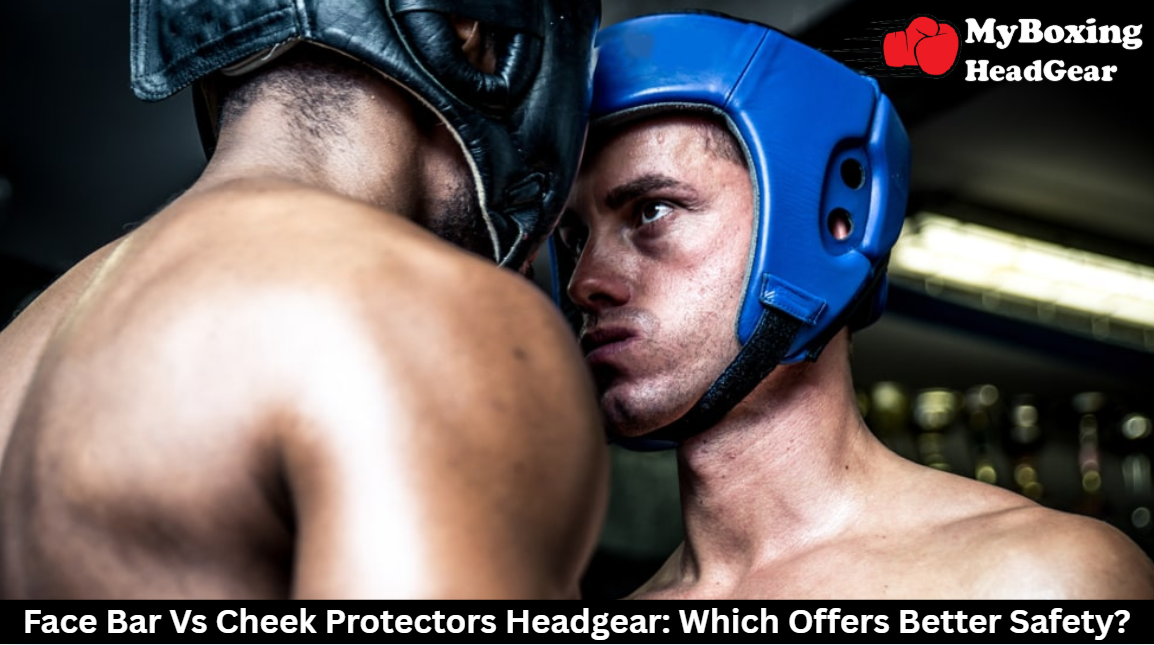
Face bars do a better job of preventing direct face harm, but they make it harder to see, which could make you more vulnerable to counter-punches. Studies show that cheek protectors cut down on total head impacts by 17% because they give balanced protection and enhanced visibility and movement.
Face bars are good for MMA or kickboxing, whereas cheek protectors are better for boxing when moving your head is important. To find the optimum balance between safety and performance, think about your own needs and weaknesses.
How Sports Headgear Protects Against Impact
Even during supervised sparring sessions, the forces of impact in combat sports can be surprisingly high. For headgear to be safe, it needs to be able to spread these forces over a larger area so that there is less pressure on any one part of your face or skull.
When thinking about how to keep people from getting hurt on their faces, remember that good headwear doesn’t just block impacts; it also absorbs and spreads out energy. The amount of foam padding and how thick it is directly affects how well it absorbs impacts. Multi-layered designs usually give more protection.
No headgear entirely gets rid of the risk of concussion, but properly fitted protection greatly lowers the forces that hit your brain. Look for designs with padding in the right places, like the temples, orbital bones, and jaw, which are the most likely to get hurt while training.
Full Coverage vs. Performance Limits
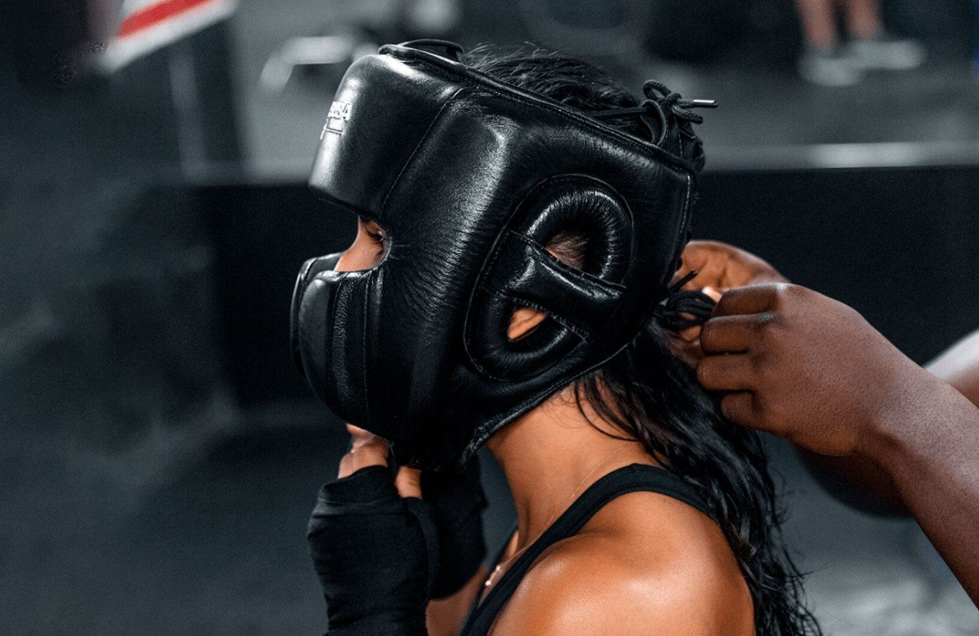
Face bar headgear is the best way to protect your face in combat sports. Its unique metal or reinforced plastic bar goes all the way across your face. This design is great at keeping the face safe from injury because it makes a physical barrier that protects the nose, mouth, and jaw from being hit directly.
But this level of safety comes with a lot of drawbacks. The face bar can make it hard to see, which could slow down your reaction time and make it harder to see what’s going on around you when you’re sparring. Many sportsmen say that they feel more limited, which can make it harder for them to move naturally and defend themselves.
Face bar headgear offers the best protection for athletes, but you need to think about the trade-off between safety and performance. This extra safety may be worth the trade-offs in comfort and visibility for people who are just starting or who are healing from an injury.
Targeted Protection and Mobility Benefits
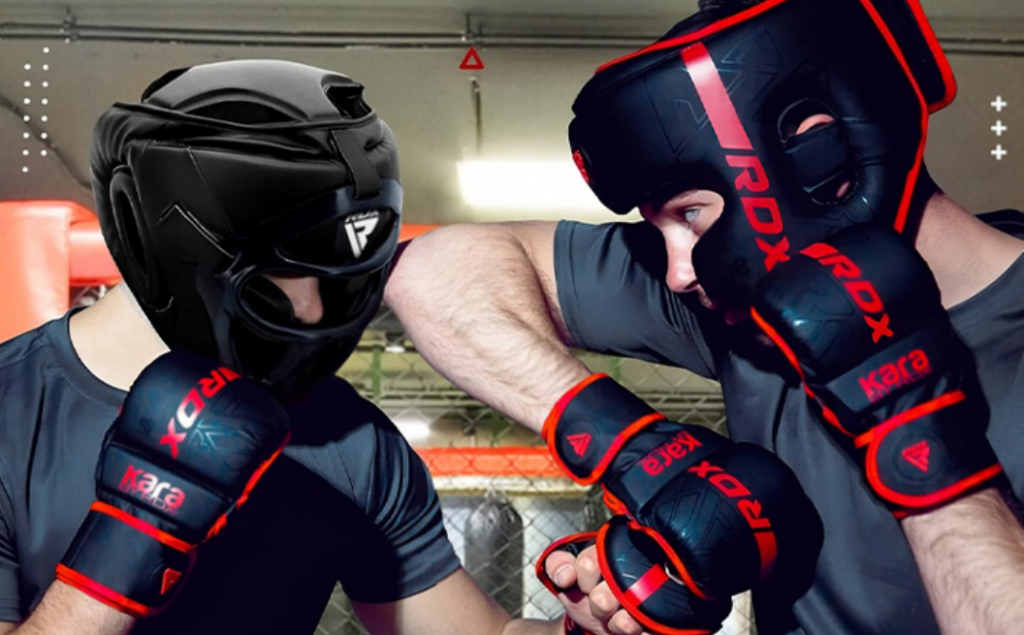
Cheek protector headgear strikes a balance between protection and performance by having padded panels that cover the sides of the face but leave the front more open. This design protects your face a lot while also making it easier for you to see during sparring sessions.
Cheek protectors, on the other hand, won’t get in the way of your forward vision, which will help you keep an eye on incoming punches and stay conscious of your defenses. The open-front design also makes it easier to breathe and lessens the claustrophobia that some boxers feel when they wear full-coverage boxing gear.
The best thing about cheek guards is that they are safe and useful at the same time. You’ll be able to guard weak spots like the zygomatic arch and temple areas while still being able to move around and see well enough to learn how to spar properly.
A Comparison of Injury Prevention
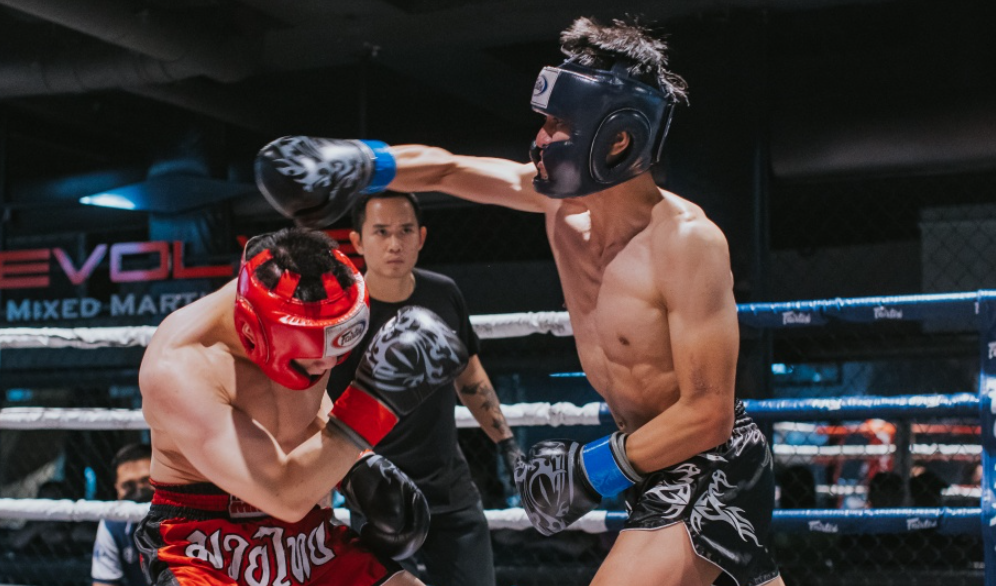
When you look at medical records from combat sports facilities, you’ll find strong evidence for both face bars and cheek protectors. Face bar headgear has far reduced rates of direct facial injuries, especially for nose and jaw protection in beginning and heavyweight classes.
However, when you take into consideration the improvements in peripheral vision, cheek protectors show better overall injury prevention numbers. Studies show that boxers who wear cheek guards take fewer counter punches because they can see better. It lowers the overall number of head impacts by 17% compared to face bar versions.
You should choose your combat sports gear based on your unique weaknesses. Face bars give more protection if you’ve broken your face before. If you move your head a lot to protect yourself, cheek protectors might help you see better and react faster, which could help you avoid more injuries.
Sport-Specific Considerations
Because each combat sport has its own regulations and ways of hitting, they all need different types of protective gear. In amateur boxing, where being able to see and move your head quickly is important, cheek protector designs give you a larger field of vision while still meeting competition safety standards.
Face bar headgear gives better protection against different striking angles during MMA or kickboxing sparring sessions, but the padding thickness should be just right to keep you safe and still be able to move. Keep in mind that the regulations of the competition typically say what kinds of headwear are allowed. What works for training might not be allowed in official matches.
The type of sparring helmet you choose should depend on how hard you train and the technical needs of your activity. Open-front designs are usually better for boxers, but combat sports with a lot of different targets could need full-face protection.