




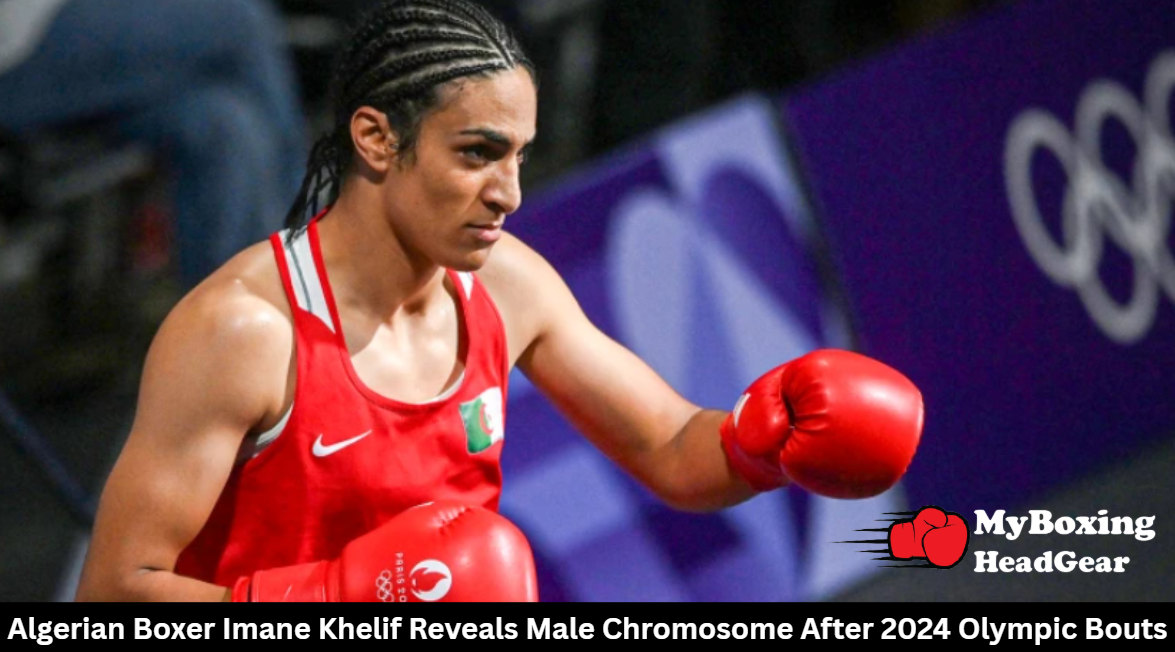
You’re seeing how Imane Khelif’s admission of having a Y chromosome has sparked intense controversy following her 2024 Olympic boxing performances. The Algerian boxer’s case highlights the ongoing struggle between inclusion and competitive fairness in women’s sports, as different organizations maintain varying gender eligibility policies.
While the IOC used passport identification for Paris 2024, her revelation raises complex questions about biological advantages, athlete privacy, and the future of gender verification in Olympic competition. Understanding these intricate dynamics reveals much more.
Understanding Gender Eligibility Rules in Olympic Boxing
When you examine Olympic boxing’s gender eligibility framework, you’ll find a complex web of evolving policies that’ve struggled to keep pace with scientific understanding. The International Olympic Committee’s current guidelines prioritize inclusion while attempting to maintain competitive fairness, but they’ve created significant controversy.
You’ll notice that gender eligibility rules vary between sports organizations. While the IOC relied on passport identification for the 2024 Paris Games, other bodies like World Boxing now mandate thorough sex testing. These policies focus heavily on testosterone levels as a primary determining factor for competitive advantage.
The framework allows athletes with differences of sex development to compete after hormonal treatments reduce their testosterone. However, critics argue that suppressing hormones doesn’t eliminate all biological advantages, creating ongoing debates about fairness in women’s boxing competitions.
Why Olympic Gender Verification Remains Controversial?
These complex eligibility frameworks have sparked fierce debates that extend far beyond boxing rings, revealing deep-seated tensions between inclusion and competitive integrity.
Gender verification remains contentious because it forces difficult choices between protecting women’s sports categories and avoiding discrimination against athletes with biological variations.
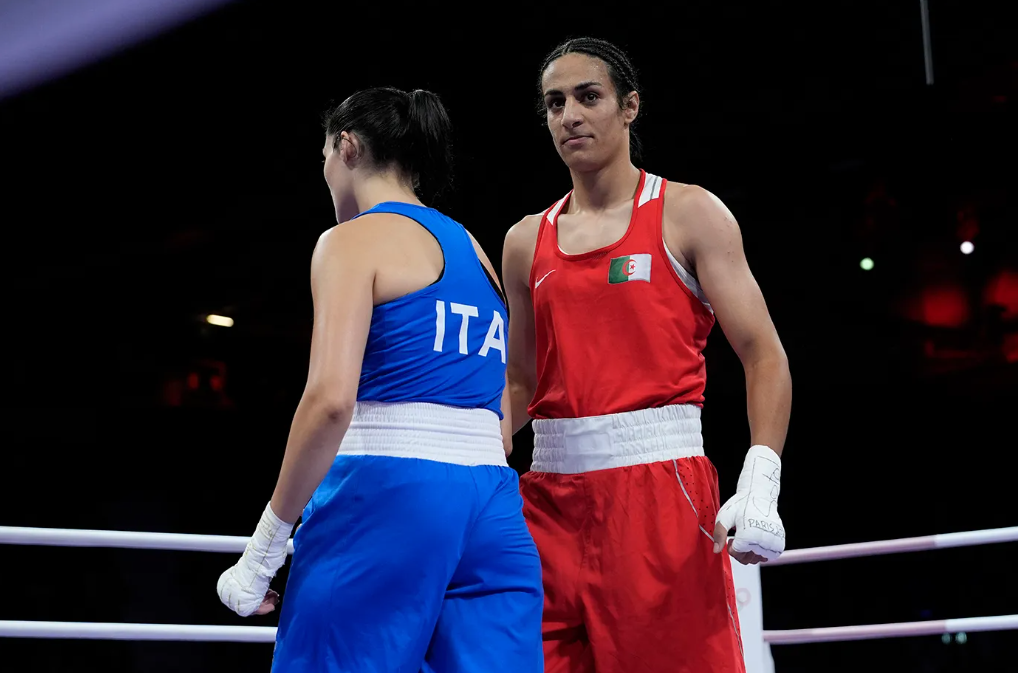
Imane Khelif’s case exemplifies these challenges perfectly. When you consider her possession of the SRY gene alongside her female identity, you see why current eligibility criteria struggle to address intersex conditions fairly. Organizations grapple with scientific complexities while balancing athlete rights and competitive fairness.
The controversy persists because there’s no universal consensus on how biological advantages should factor into women’s sports participation, leaving athletes and governing bodies exploring uncharted territory.
How Media Coverage Shapes Public Perception of Athletes?
Media narratives wield extraordinary power in shaping how you perceive athletes, often transforming complex personal stories into simplified controversies that drive public discourse.
When you consume media coverage about Khelif’s case, you get exposed to headlines that emphasize sensational aspects rather than nuanced medical realities. This selective reporting influences your understanding of gender identity issues in competitive sports.
Different outlets frame the same story. Some focus on fairness in women’s sports, while others emphasize discrimination concerns. Social media amplifies these controversies, creating echo chambers that reinforce your existing beliefs. The constant scrutiny affects not just public perception but also athletes’ mental health and career trajectories.

What Athletes Face During Eligibility Disputes?
Although eligibility disputes might seem like administrative procedures, you’d face an overwhelming psychological and professional ordeal that extends far beyond simple paperwork.
During the 2024 Olympics, athletes like Khelif endured intense public scrutiny while competing at sport’s highest level. You’d navigate complex sex verification processes, often revealing deeply personal medical information to justify your participation. The constant public debate surrounding your eligibility creates immense pressure, forcing you to defend your identity while maintaining peak performance.
Hormone treatment requirements add another layer of complexity, demanding medical compliance alongside training regimens. You’d experience career uncertainty, as eligibility decisions directly impact your competitive future.
The psychological toll proves especially challenging when personal medical conditions become political talking points, transforming athletic achievements into controversial discussions.
Protecting Competitor Privacy While Ensuring Fair Play
When sports organizations implement mandatory testing policies, you’ll witness the delicate balance between protecting athletes’ medical privacy and maintaining competitive integrity.
Khelif’s admission about possessing the Y chromosome highlights how genetic testing creates complex ethical dilemmas in women’s boxing. You’ll notice that regulatory policies must navigate between transparency requirements and athletes’ rights to medical confidentiality.
The controversy demonstrates how private medical information becomes public discourse when fairness questions arise. You’ll see organizations struggling to create protocols that protect sensitive genetic data while ensuring competitive equity. Khelif’s case shows how athletes face impossible choices: submit to invasive testing or forfeit competition opportunities.
Moving forward, you’ll observe sports governing bodies working to establish frameworks that respect privacy while maintaining public trust in competitive fairness standards.